
The historical evolution of gambling A journey through time and culture
Origins of Gambling
The roots of gambling can be traced back to ancient civilizations, where games of chance were intertwined with cultural and religious practices. Archaeological evidence suggests that as early as 3000 BC, Chinese civilizations engaged in rudimentary forms of gambling, utilizing dice made from animal bones. These early games weren’t merely for entertainment; they played significant roles in rituals and social structures, reflecting the cultural significance of chance and fortune. Today, players can indulge in thrilling experiences at rainbet aus as they explore modern developments in gaming.
In ancient Rome, gambling became widely popular, with citizens participating in various betting games during festivals. The Romans made extensive use of dice and created board games, where stakes were often high. These gambling practices were viewed with ambivalence; while they provided entertainment, they also raised moral concerns, leading to fluctuating regulations by the authorities. Through these cultural layers, gambling evolved from simple pastimes into complex social phenomena.
The evolution of gambling continued through the Middle Ages, particularly in Europe, where games of chance transformed significantly. The introduction of card games in the 14th century marked a pivotal moment. These games became widespread among the nobility and later filtered down to the common populace, establishing a more structured gambling culture that laid the groundwork for modern gaming.
Legalization and Regulation
The 17th century heralded a new era in the history of gambling, characterized by an increase in its popularity and subsequent attempts at regulation. Governments recognized the lucrative potential of gambling revenues, leading to the establishment of state-sanctioned lotteries in various countries. This marked a shift where gambling transitioned from illicit activities to regulated enterprises, allowing for more oversight while simultaneously increasing public participation.
In the 19th century, the emergence of casinos as formal establishments further changed the landscape of gambling. Cities like Monte Carlo and Las Vegas became iconic gambling hubs, attracting visitors from around the globe. Regulatory frameworks were developed to manage these establishments, focusing on issues such as fairness and responsible gambling practices. The rise of casinos initiated a cultural transformation, where gambling began to be perceived as a legitimate form of entertainment, rather than merely a vice.
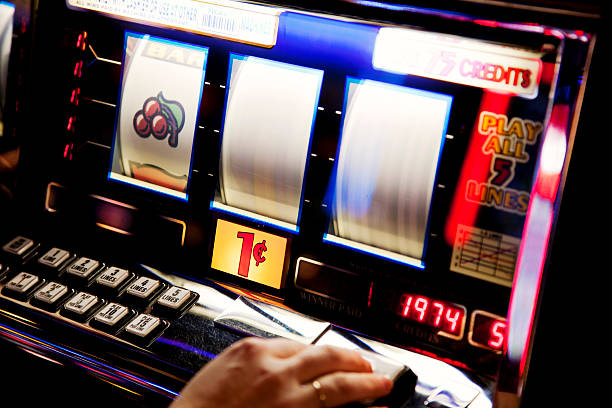
As legislation evolved, so too did the technology behind gambling. The introduction of electronic gaming machines in the 20th century created a seismic shift in the gambling experience, making it more accessible and appealing to a broader audience. These innovations not only expanded the types of games available but also paved the way for online gambling, which emerged in the late 1990s and has since revolutionized the industry.
The Impact of Technology
Technology has played a pivotal role in the evolution of gambling, particularly in the last two decades. The advent of the internet has transformed traditional gambling practices, allowing individuals to participate in various forms of gaming from the comfort of their homes. Online casinos emerged as a significant player in the gambling market, offering a wide array of games such as poker, blackjack, and slots, all accessible at the click of a button.
Mobile technology has further accelerated this trend, making it even easier for players to gamble on-the-go. With smartphones and tablets, users can enjoy gaming experiences in a more personalized and immediate way. This increased accessibility has broadened the appeal of gambling, attracting new demographics, including younger audiences who prefer digital interactions over traditional forms of gambling.
Additionally, advancements in security measures, such as blockchain technology and encryption protocols, have made online gambling safer. Players now have more confidence in the integrity of games and the security of their financial transactions, which has contributed to the sector’s rapid growth. As technology continues to evolve, it is likely that gambling will further integrate into our daily lives, creating innovative experiences and expanding its cultural significance.
Cultural Perceptions of Gambling
The cultural perception of gambling has varied widely across different societies and eras. In some cultures, gambling is celebrated as a form of entertainment and social interaction, while in others, it is viewed as a vice associated with moral decay. For example, in many Western cultures, gambling has been romanticized through films and literature, portraying it as an exciting risk that can lead to fortune and adventure.
Conversely, certain cultures have historically shunned gambling. In parts of Asia, for instance, gambling has been closely tied to superstitions and familial obligations, leading to mixed feelings towards its practice. The social stigma surrounding gambling can result in significant consequences for individuals and families, highlighting the complex interplay between culture and individual behavior.
As gambling continues to evolve, societies grapple with the dual nature of this activity. While it can provide enjoyment and community engagement, it also poses risks of addiction and financial hardship. The ongoing dialogue surrounding gambling reflects broader social values and concerns, emphasizing the need for responsible practices and informed participation.
Gambling Today and Tomorrow
Today, gambling stands at a crossroads, with an unprecedented range of options available to players. From traditional casinos to online gaming platforms and esports betting, the variety is astonishing. The integration of social features into online gambling, such as live dealer games and interactive experiences, further enhances the appeal, creating a sense of community among players. These developments reflect a move towards a more engaging and immersive gambling environment.
As regulations adapt to the changing landscape, jurisdictions around the world are recognizing the importance of responsible gambling practices. Initiatives focused on player protection, including self-exclusion programs and awareness campaigns, are becoming increasingly prevalent. This shift aims to balance the enjoyment of gambling with the need to mitigate its potential harms, reflecting a growing understanding of its psychological and social impacts.
Looking ahead, the future of gambling appears promising, with continuous technological advancements poised to reshape the industry. Virtual reality gaming, artificial intelligence, and cryptocurrency transactions are on the horizon, set to revolutionize the player experience. As this evolution unfolds, society must remain vigilant, ensuring that the excitement of gambling is balanced with ethical considerations and responsible practices.

Exploring Online Gaming Platforms
In this rapidly evolving landscape, online gaming platforms like Rainbet Casino offer players a diverse and engaging experience. With a rich selection of over 500 pokies and a user-friendly interface, players can explore various games that cater to all tastes. This platform emphasizes not only entertainment but also security and responsible gaming, creating a safe environment for users to enjoy their favorite games.
Rainbet Casino stands out for its quick cryptocurrency payouts and generous promotions, such as a 100% match bonus on first deposits, which attracts both new and seasoned players alike. The site ensures that users can indulge in both casino games and sports betting, making it a versatile choice for those interested in multiple gaming avenues. The focus on player satisfaction and security sets Rainbet apart in a crowded market.
As the gambling industry continues to grow and evolve, platforms like Rainbet Casino will play a crucial role in shaping the future of online gaming. With an emphasis on diverse offerings, user experience, and responsible practices, such sites are likely to remain at the forefront of the gambling revolution, offering exciting opportunities for players around the world.