
The Nature of Luck in Gambling
Luck is a fundamental concept often discussed in the realm of gambling, especially within casinos where randomness reigns supreme. In games that are purely chance-based, such as slots and roulette, the outcomes are determined by unpredictable events, leading players to ascribe their fortunes—or misfortunes—to luck. This belief can create a psychological edge, motivating players to take bolder risks in hopes of favorable outcomes. Many gamblers hold the perception that certain individuals possess a greater degree of luck, which can significantly influence their betting choices and game preferences, including those who seek advice from experts like https://perthgolfphysio.com/ to improve their game strategy.
However, distinguishing between luck and skill is essential. While luck may govern the immediate results in games of chance, skill becomes increasingly important in games that require strategy, such as poker. A proficient player can employ their knowledge and experience to make decisions that can mitigate the effects of luck over time. This raises an intriguing question: is success in casinos solely a matter of luck, or do a player’s abilities and strategies play a critical role in achieving favorable outcomes?
The complexity of luck in gambling cannot be overstated. Some players experience winning streaks that bolster their belief in luck, while others may suffer a series of unfortunate events. By gaining a deeper understanding of luck’s role, players can cultivate a more informed perspective that allows them to enjoy the gambling experience while setting realistic expectations and minimizing potential losses.
The Psychological Impact of Luck on Players
The psychological ramifications of luck are profound and can dramatically influence gamblers’ behaviors. Many players adhere to the idea of “lucky charms” or rituals that they believe enhance their chances of winning. Whether it’s wearing specific clothing, following particular betting patterns, or even selecting certain gaming tables, these superstitions can foster a heightened sense of hope and optimism. This belief in luck can make the gambling experience more engaging, as players feel they are actively participating in their fate.
The casino environment also plays a crucial role in shaping a player’s perception of luck. The vibrant colors, exhilarating sounds, and overall ambiance create an atmosphere of excitement and anticipation. This sensory stimulation can lead players to associate their gambling experiences with fortune and success, reinforcing their belief in luck. The emotional highs and lows experienced in such environments can create a cycle of behavior where players continue to gamble, driven by the hope of reliving their “lucky” moments.

However, an excessive reliance on luck can lead to detrimental gambling patterns. Players who encounter a string of losses may feel compelled to chase their luck by increasing their bets, often resulting in financial difficulties. Understanding the psychological influences of luck is vital for maintaining a responsible gambling approach, enabling players to identify when it’s time to step back and reassess their strategies and behaviors.
Luck vs. Strategy: Finding the Balance
While luck undeniably plays a critical role in many casino games, the value of strategic thinking cannot be overlooked, particularly in games that require skill. Take blackjack, for instance, where players can utilize card counting techniques to gain a competitive edge. Similarly, in poker, a thorough understanding of probabilities and human psychology can significantly enhance a player’s chances of success. These strategic approaches underscore the importance of skill in counterbalancing the unpredictability of luck.
It is vital to recognize that although sound strategies can improve the odds of winning, they cannot completely eradicate luck from the equation. Even the most accomplished players can encounter bad luck, serving as a reminder of the inherent uncertainties that come with gambling. As such, successful gamblers often find a harmonious balance between their strategies and the acceptance that luck is an ever-present factor that can influence the outcomes of their games.
Maintaining this balance fosters a more enjoyable gambling experience while helping players cultivate a realistic perspective on their chances. Many find that the thrill of uncertainty and the role of luck add layers of excitement to their gambling pursuits. By acknowledging and embracing the interplay between luck and strategy, players can engage in a more conscious gambling experience that not only enhances enjoyment but may also lead to better outcomes over time.
The Role of Casino Design and Environment
The architectural design and atmosphere of casinos significantly shape players’ perceptions of luck and success. Casinos are meticulously designed to evoke feelings of excitement and anticipation, employing bright lights, captivating sounds, and vibrant colors to create an inviting environment. This intentional design can amplify a player’s belief in luck, making them more inclined to participate in games, even when the odds may not be in their favor.
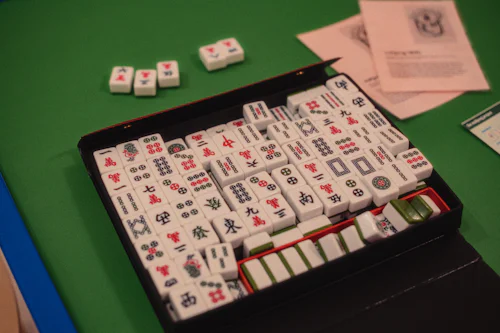
Moreover, casinos often employ psychological strategies to encourage prolonged gambling behaviors. They craft environments that downplay losses while celebrating wins, regardless of their size. For instance, when a player wins, they might be met with celebratory music or applause, reinforcing the feeling of good fortune. This ambiance can lead to increased betting as players pursue those exhilarating moments of victory, often blurring the lines between reality and their perceived luck.
The geographical context of a casino also affects how players perceive luck. Establishments located in bustling tourist areas tend to attract visitors who may be more willing to spend money in pursuit of luck. Being aware of these psychological and environmental factors can help gamblers navigate their experiences more effectively, promoting a balanced approach to their gambling strategies while managing expectations regarding luck.
Conclusion: Embracing Luck Responsibly
In conclusion, while luck undeniably influences success in casinos, it is crucial for players to embrace this concept with a sense of responsibility. The excitement of chance can be thrilling, but a thorough understanding of the relationship between luck and strategic thinking can lead to more enjoyable and sustainable gambling experiences. By recognizing the role of luck while simultaneously honing skills and strategies, players can optimize their chances of success.
Furthermore, maintaining a responsible gambling mindset is essential to mitigate the potential negative consequences associated with excessive gambling. Setting limits and remaining conscious of one’s behaviors can minimize the risk of addiction and financial distress. While luck is an integral part of the gambling experience, it should not overshadow the importance of responsible gaming practices.
Ultimately, the gambling experience is a delicate interplay of luck, skill, and psychological factors. By understanding this balance, players can engage with the casino experience more meaningfully, maximizing enjoyment while minimizing risks. Whether luck favors you or not, fostering a healthy attitude towards gambling can lead to a more rewarding and enjoyable experience for everyone involved.